








Additional information
| Dimensions | N/A |
|---|
د.إ 185
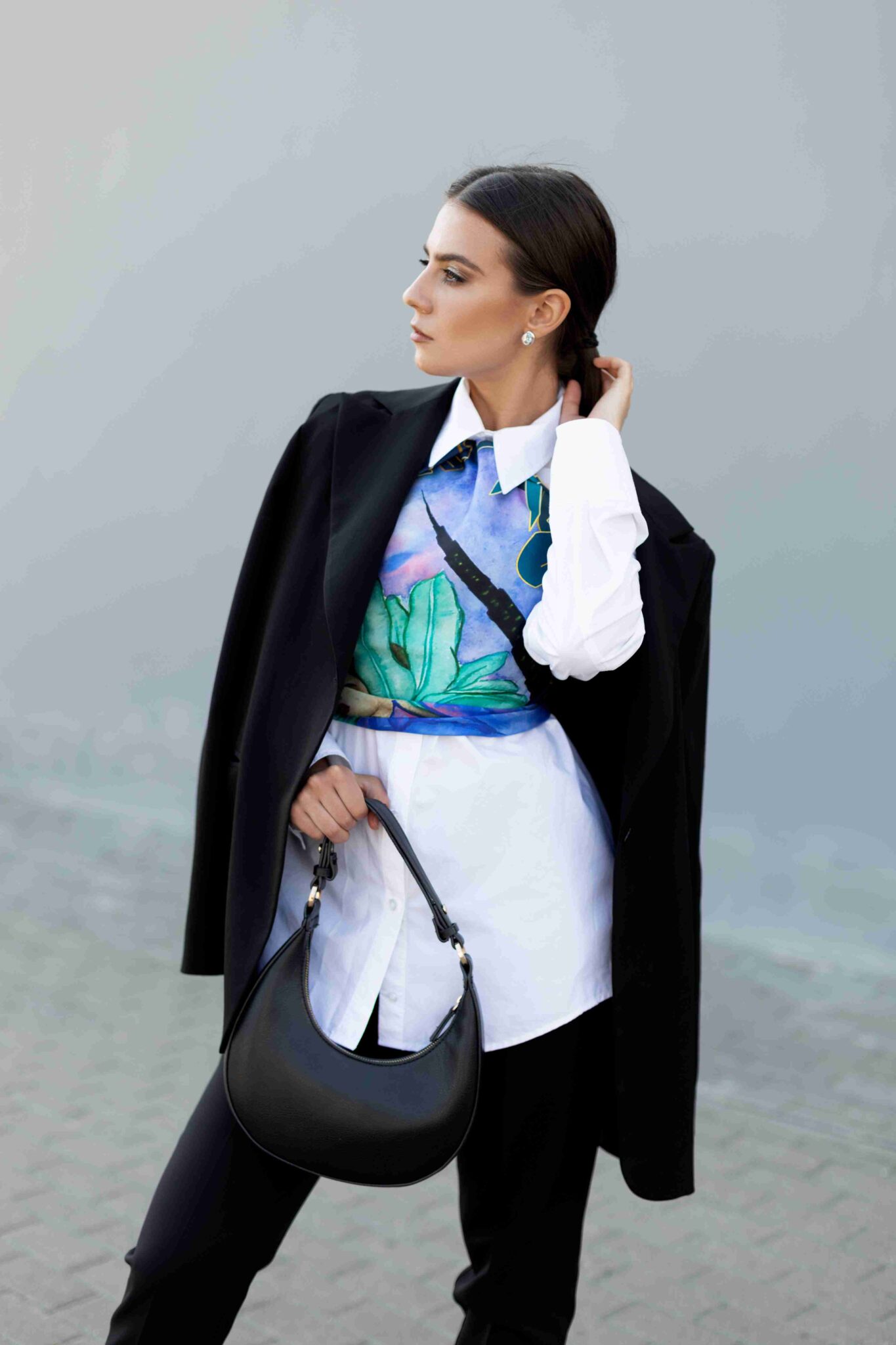
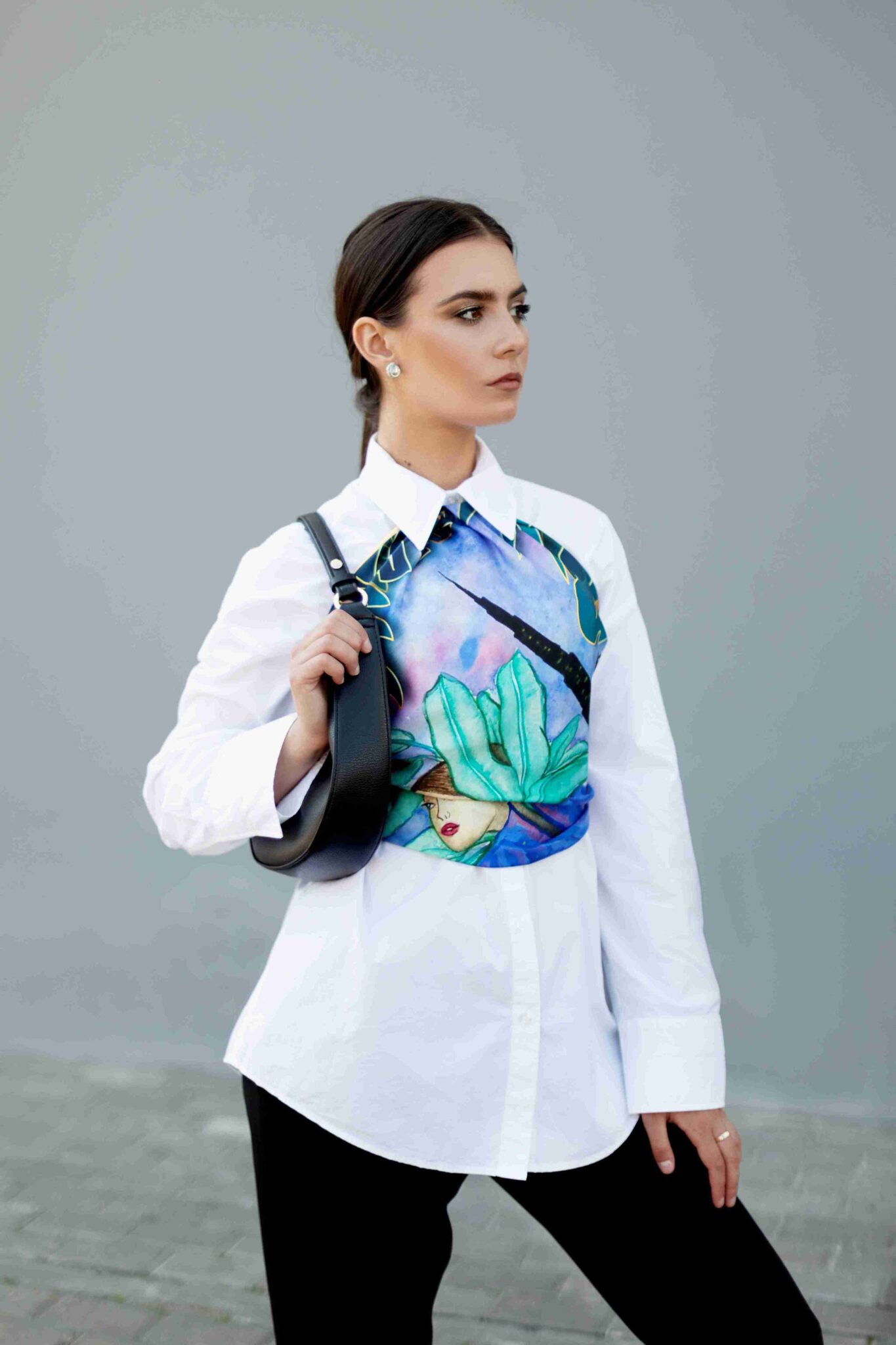
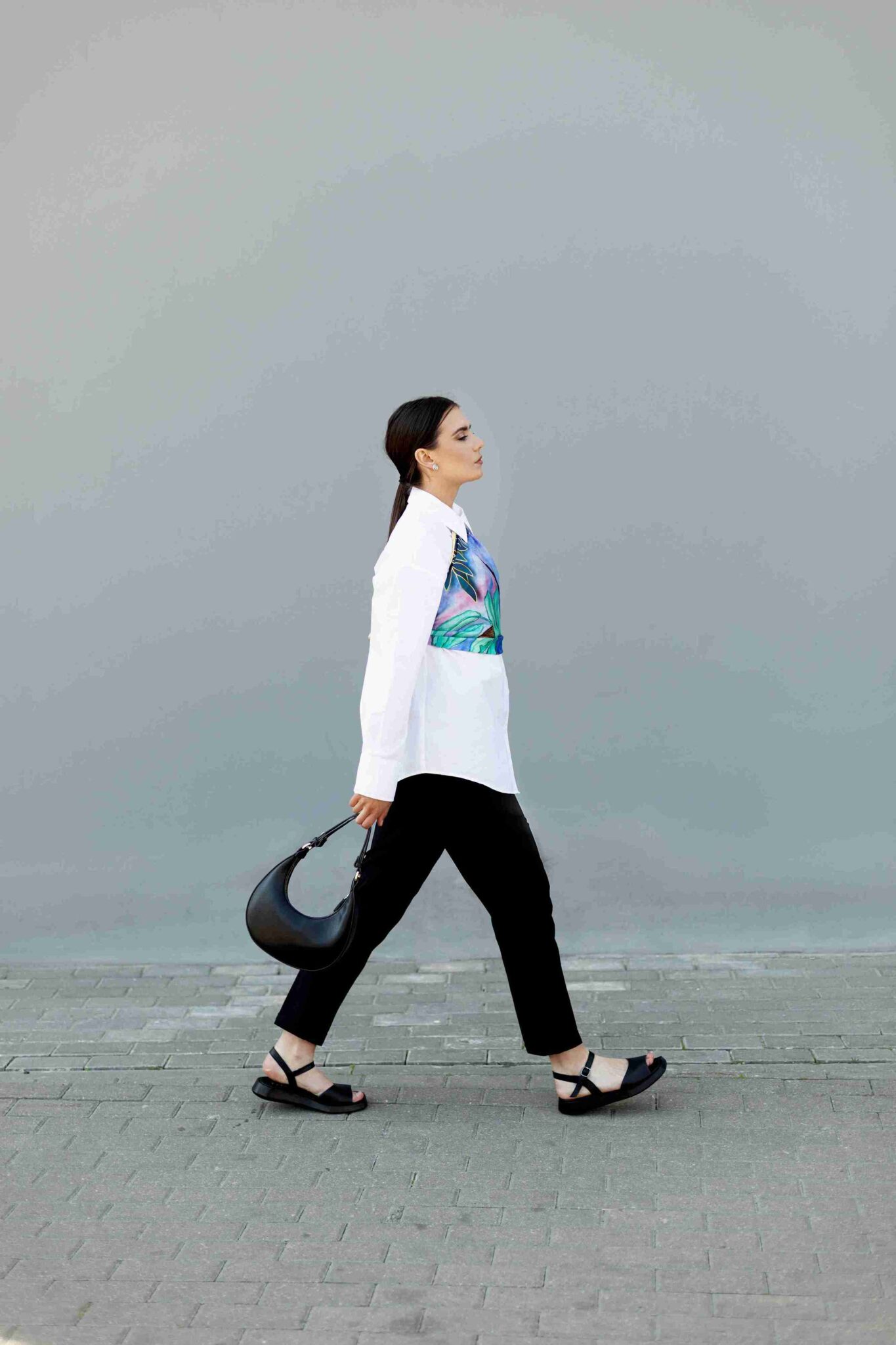
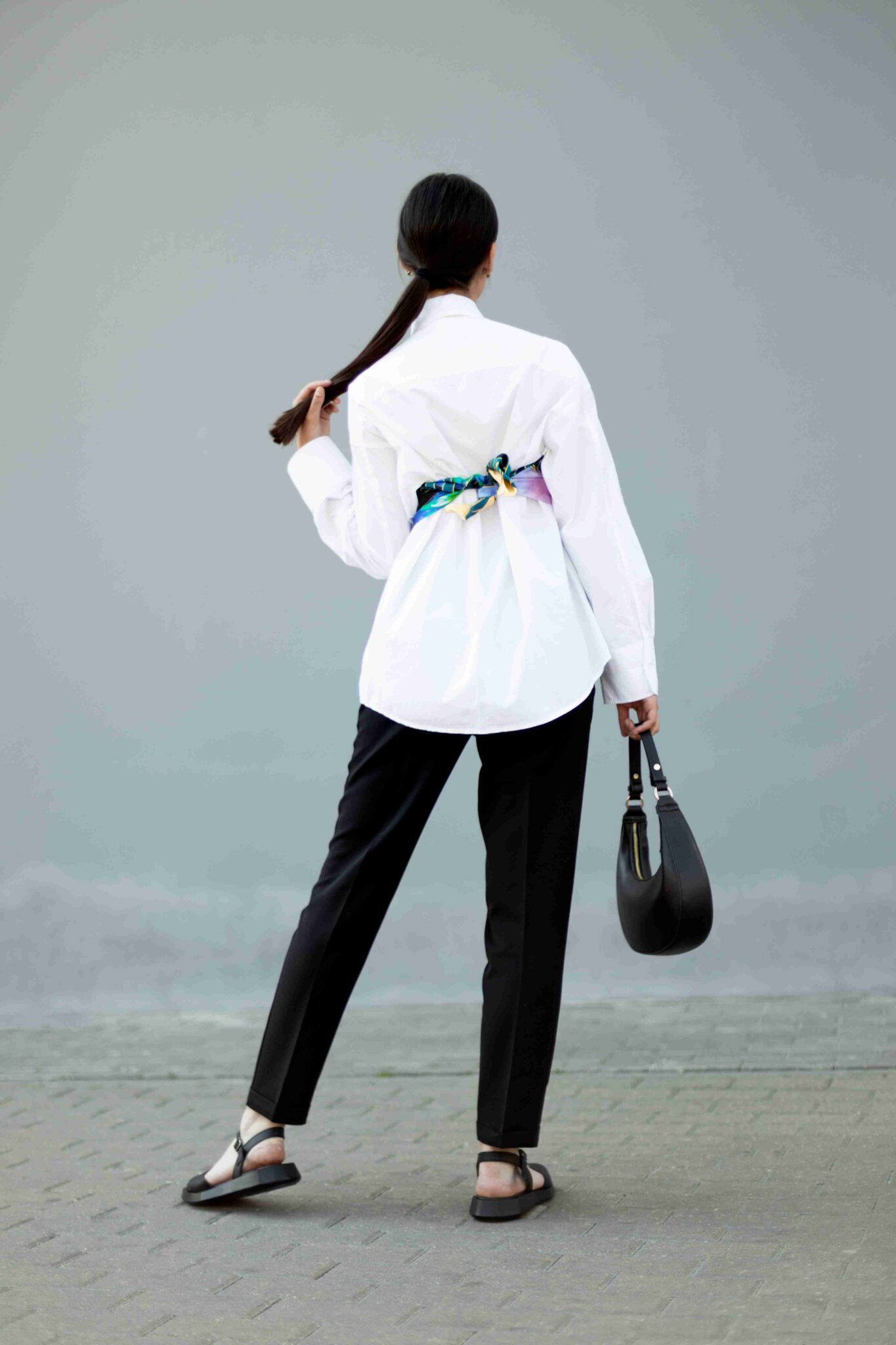
Did you know that the vast desert occupying much of the Arabian Peninsula used to be lush jungles about 7000 years ago? In the course of history lush palm jungles changed for modern jungles of the Gulf megacities. Depicted in this scarf as the embodiment of the nature itself, a woman with her inborn grace and natural softness as if inflates life in these modern jungles filling them with her overwhelming beauty and tenderness.
By Bakhmullaeva Luiza @louisa.bakh
| SKU: | 0023 |
| Category: | Scarves |
| Share on: |
| Dimensions | N/A |
|---|


Najm Alsharq from Arabic means A Star Of The East. The central star, intricate flowers, and gold Islamic geometry embellishments of the scarf repeat adornments of the walls of this real Star of the East – the world-known Sheikh Zayed Mosque in Abu-Dhabi.
This artwork brings together spiritual, physical, and symbolic presentation of this most important sightseeing in the Gulf Region.


It is impossible to imagine the desert without camels. This unique, unpretentious, persistent animal embodies all the qualities necessary for survival in the desert. It is a symbol of power and dignity, vitality and endurance.
The camel is not only an indispensable companion of everyday life in the history of the Arab people, but also the hero of legends, the basis for metaphors in Arab culture. The designer of this scarf tried to convey what the beauty of the desert looks like through the spectacle of the Arab heritage.
By Bakhmullaeva Luiza @louisa.bakh


In this scarf design we see the Arabic alphabet also called Abjadi by Arabs. Its beautiful ornate letters convey charm and originality of the Arabic language, one of the oldest languages throughout history that gave birth to a great number of other alphabets.


In the Middle East, the “blue eye of Fatima” is considered an ancient symbol that protects its owner from any negativity and the evil eye.
It is just impossible to return from a trip to the Middle East without this amulet. Moreover, representatives of any religion can wear it.
The designer Hadaka scarf will not just be a bright oriental accessory in any wardrobe, but will also become an original protective amulet for its owner.


This artwork is inspired by the The Shemagh or Ghutra, the traditional Middle Eastern men’s headdress. Checkered red and white patterns are used for the ghutras in the Middle East countries. Ghutras were an adaptation that helped men survive the hot desert climate protecting them against the sun and the dust.
By Hend Almurid @hendsight
Hend Almurid is a self-taught artist from Dubai. She found her passion in drawing in childhood. She found her inspiration in cartoons that she used to watch when she was young. Hend has created her own distinctive style, easily identified among other designs.


Arabian Gazelle (Gazhal) is known for it’s graceful appearance. It symbolizes beauty and grace while maintaining a strong subtle attractiveness. Ghazals are often used in Arabic poetry to emphasize female beauty and a strong will.
By Salama Al Nuaimi @salartspace
Salama Al Nuaimi is an interdisciplinary artist, children’s book illustrator and a visual arts educator from the UAE. She’s working with digital media and painting to create outstanding children’s illustrations and books. Her works aim to be calming, light-hearted, and often colorful.


In Gulf countries Zahra is a widely used female name. But at the same time in Arabic this word means A Small Flower.
These are such small feminine and delicate flowers that are used to underline the grandeur and beauty of one of the most world-famous Gulf sightseeings. Gentle small flowers in this scarf design exactly reproduce floral embellishments from the walls of the Sheikh Zayed Grand Mosque in Abu-Dhabi.


This artwork was inspired by Al Burqua’a. Handcrafted of delicate fabric and worn over the face, this accessory is traditionally worn by married women. It provides modesty to women.
By Hend Almurid @hendsight
Hend Almurid is a self-taught artist from Dubai. She found her passion in drawing in childhood. She found her inspiration in cartoons that she used to watch when she was young. Hend has created her own distinctive style, easily identified among other designs.
