



Additional information
| Dimensions | N/A |
|---|
د.إ 185
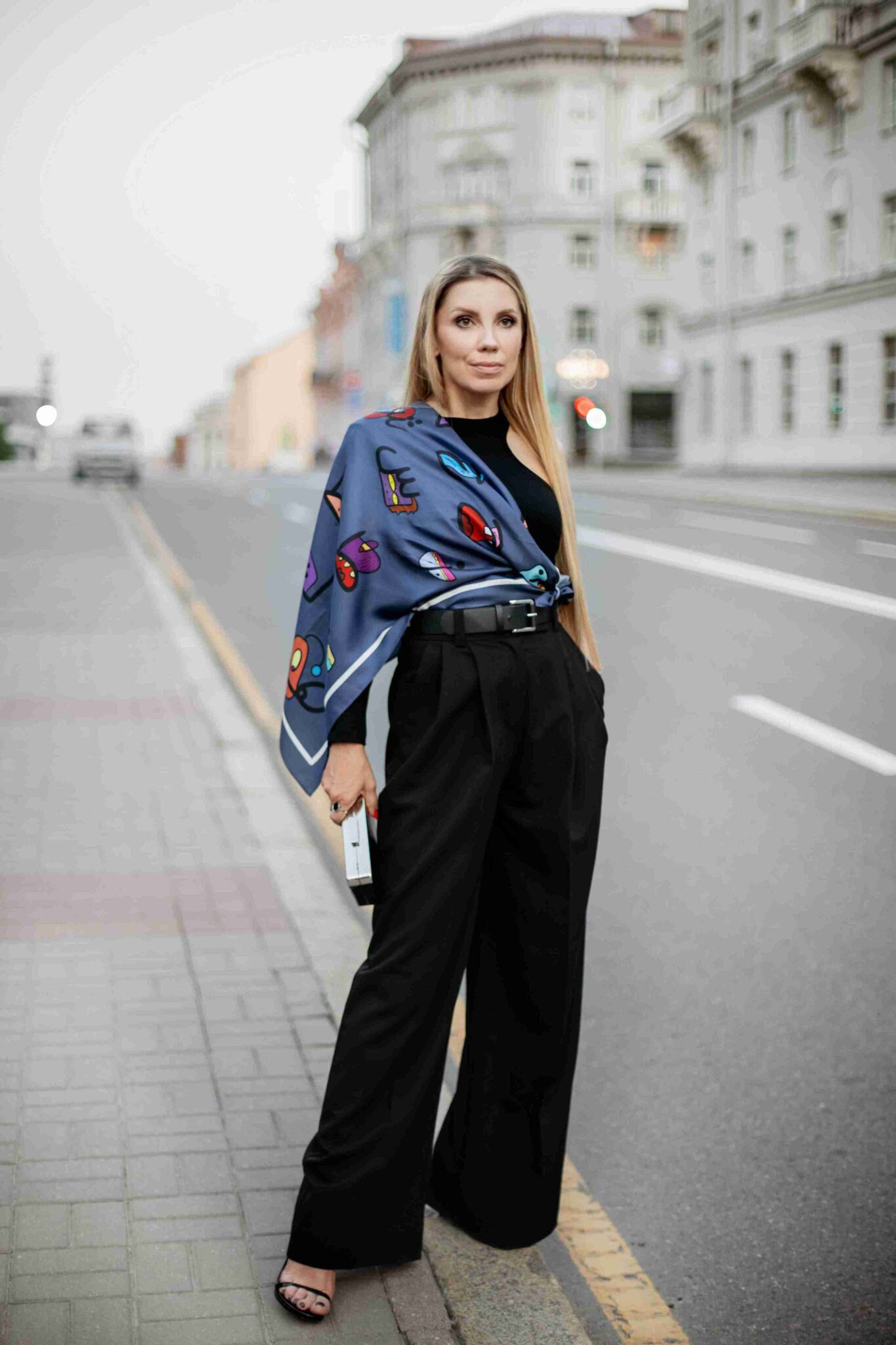
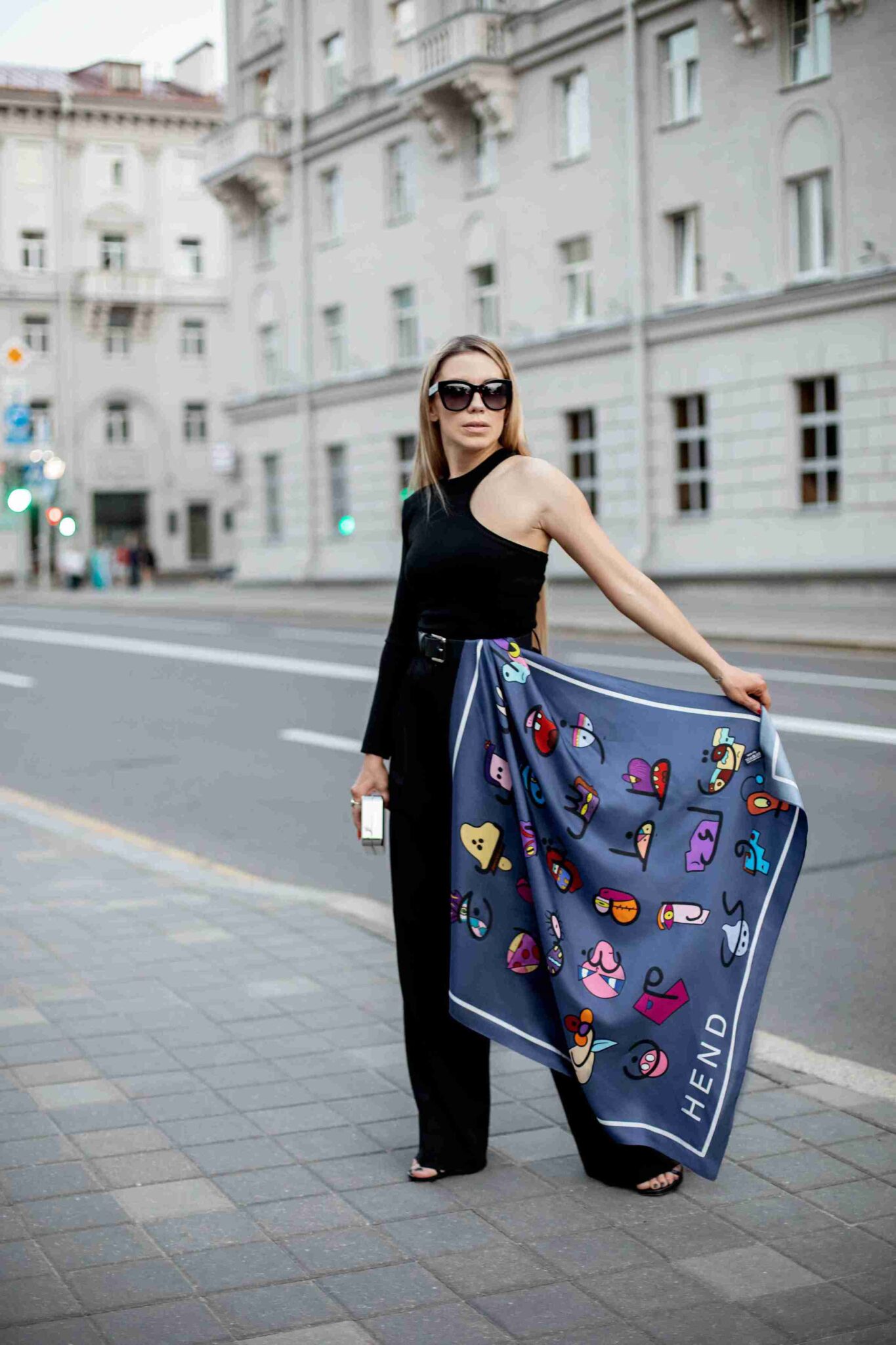
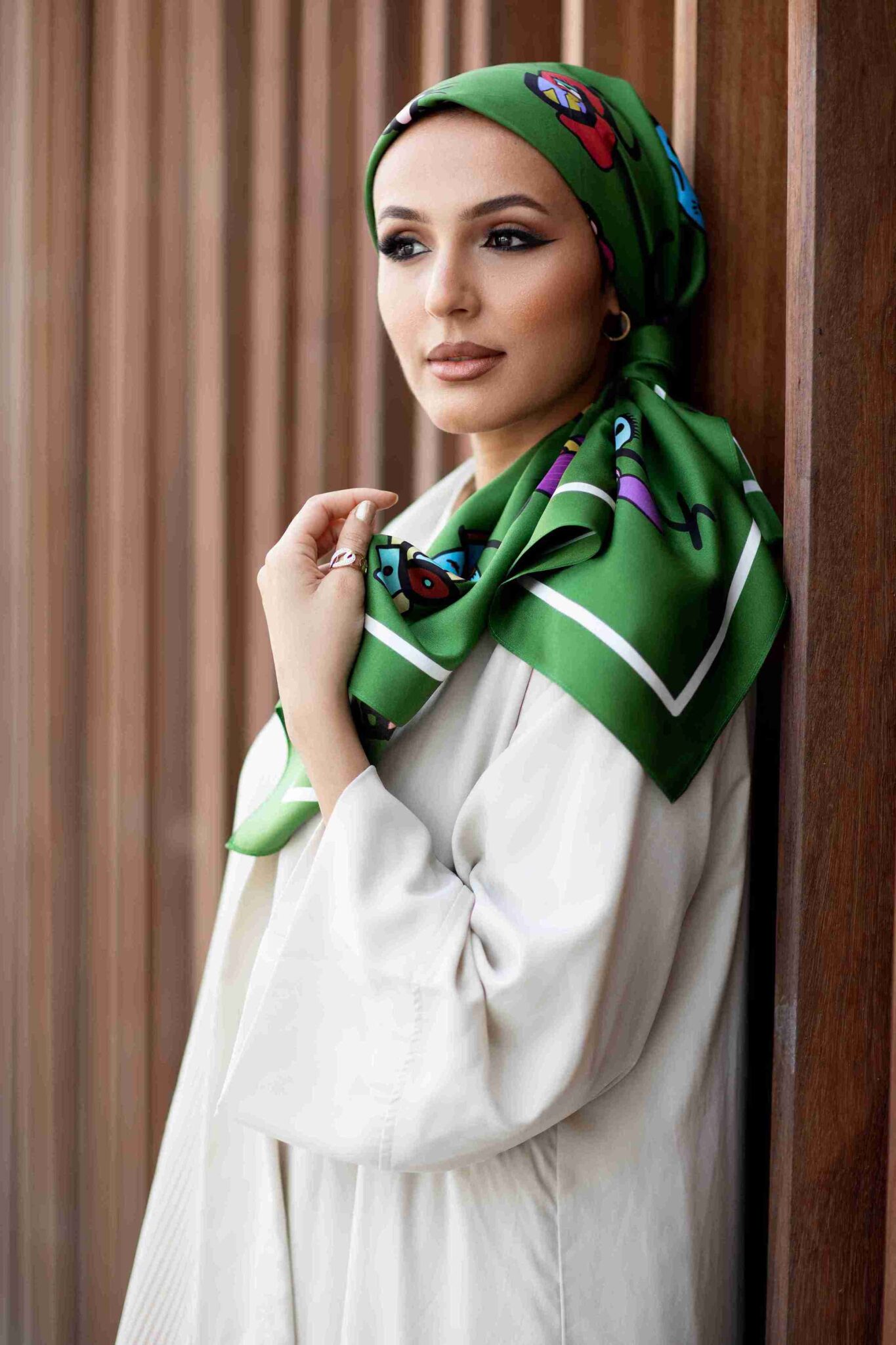
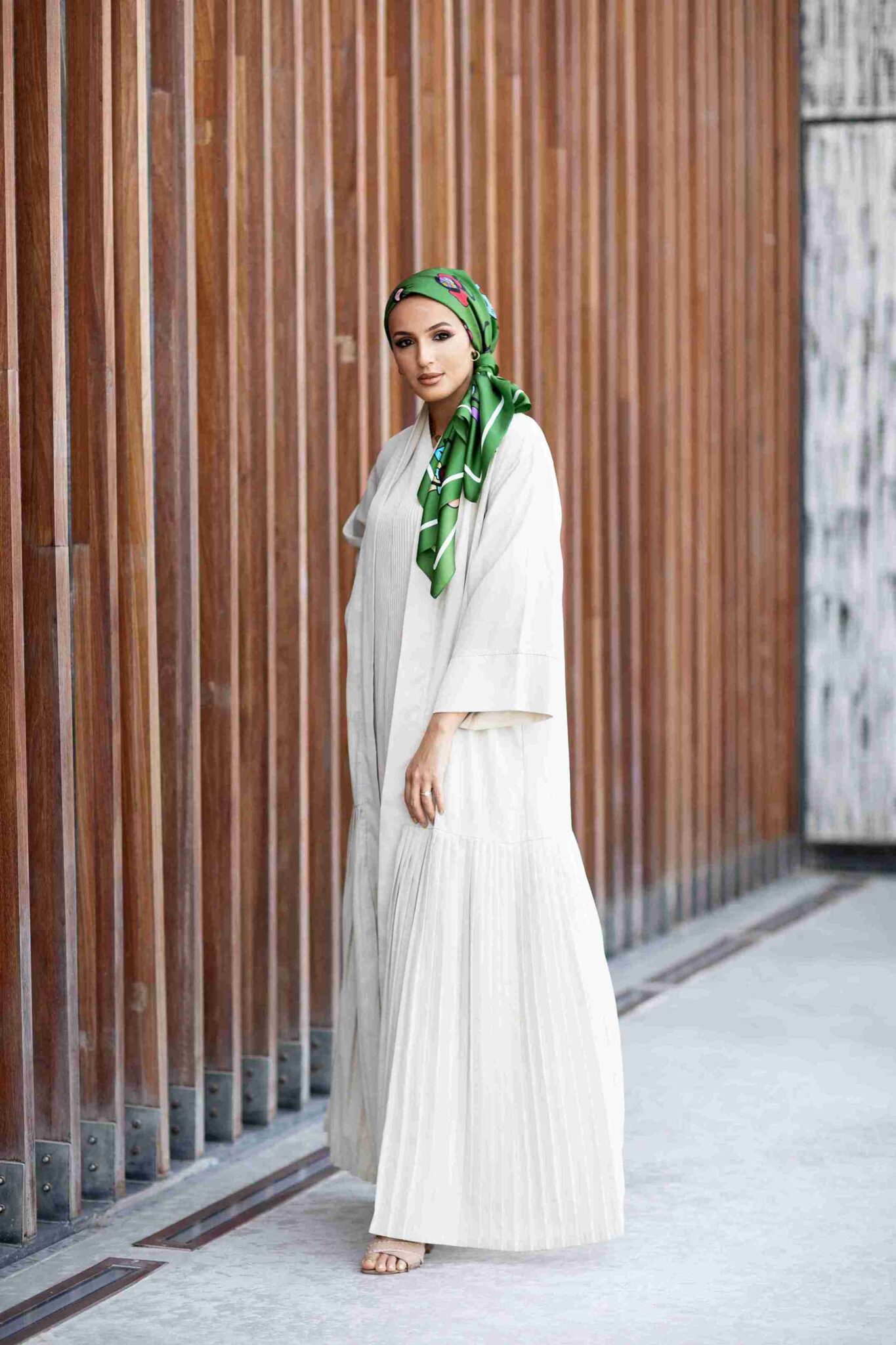
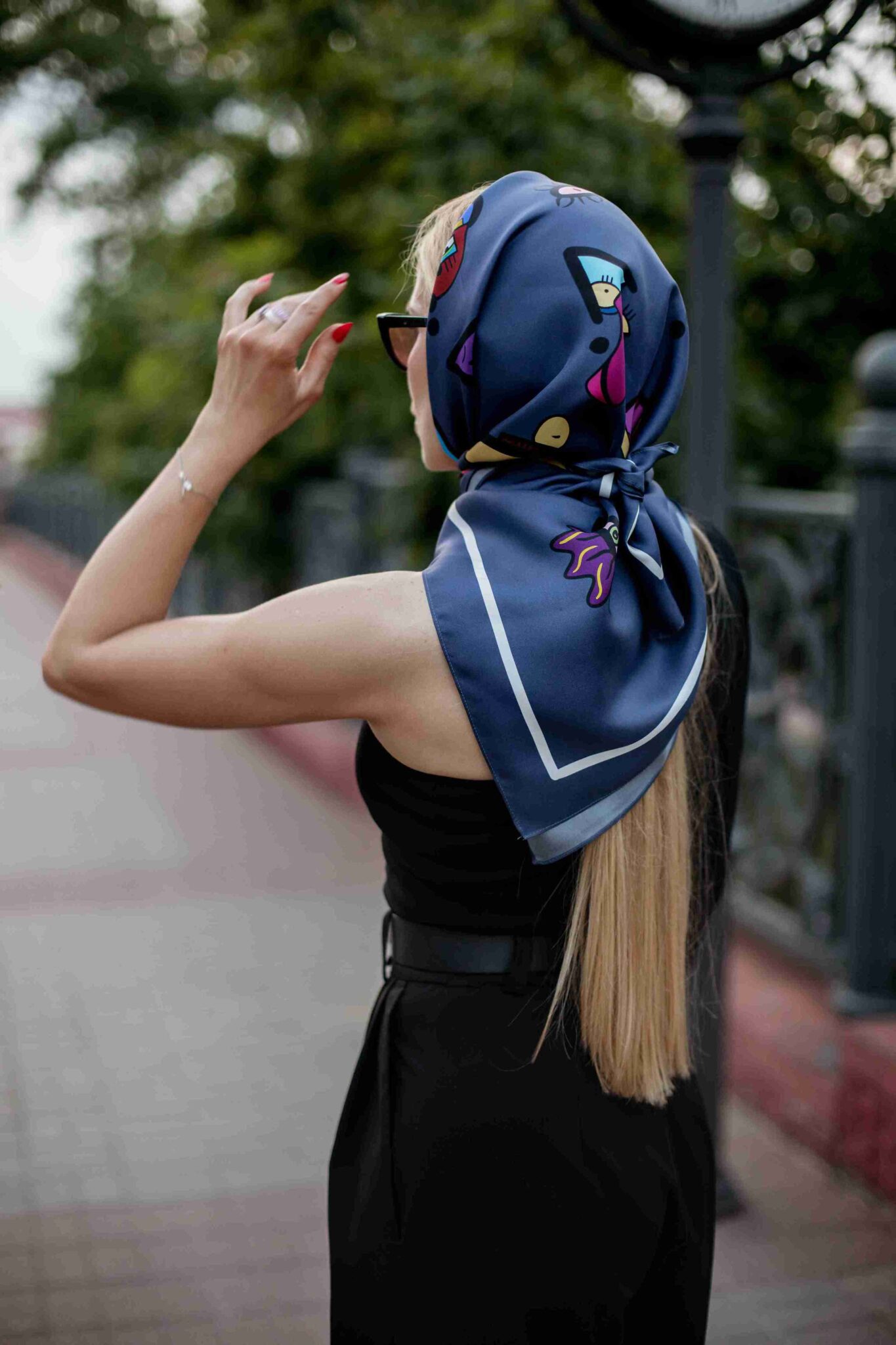
This artwork is inspired by the Arabic Alphabet. It is written from right to left in a cursive style and includes 28 letters. Most letters have contextual letterforms. In this artwork the letters are in hijāʾī order the one that is commonly used.
By Hend Almurid @hendsight
Hend Almurid is a self-taught artist from Dubai. She found her passion in drawing in childhood. She found her inspiration in cartoons that she used to watch when she was young. Hend has created her own distinctive style, easily identified among other designs.
| SKU: | 0020 |
| Category: | Scarves |
| Share on: |
| Dimensions | N/A |
|---|


This scarf is a real collection of symbols associated with the Arabian world. Here there are both majestic architecture of the modern world, plant and under water motifs of the fine arts as well as a traditional concept of an Arabian woman’s beauty. Even the main color of the scarf leaves full scope for imagination: some will see sands of the Arabian desert in it, others will associate it with the traditional Arabic coffee, symbol of hospitality and generosity of all Arabians.
By Bakhmullaeva Luiza @louisa.bak


In this scarf design we see the Arabic alphabet also called Abjadi by Arabs. Its beautiful ornate letters convey charm and originality of the Arabic language, one of the oldest languages throughout history that gave birth to a great number of other alphabets.


Swimming with dolphins is a must-have experience when visiting Gulf. Interacting with these fascinating social creatures is not just a fun, it’s all about the positive impact on one’s mental and physical being.
Have you been dreaming of swimming with a dolphin or riding it? Take the chance to make that wish come true and keep the memory of this bespoke experience with the special souvenir – the Meeting Dolphins designer scarf by Lamis.
By Bakhmullaeva Luiza @louisa.bakh


The horse is one of those animals that Arabs are really passionate about. The horse symbolizes intelligence, wisdom, nobility, light, dynamic strength, agility, speed of thought, and time run. This is a typical symbol of fertility, courage and strong power in the culture of the Persian Gulf.
By Bakhmullaeva Luiza @louisa.bakh


In this scarf we see the camel which has several names among the Arabs, and one of them is Urwat al-Dar. This ship of the desert is depicted in the scarf walking on desert sands as if a true ship swaying on sea waves.
Because of its permanent presence in the desert environment and its use in transporting travelers, a camel became an integral part of the Arab tribes daily lives. For them, camels were a source of livelihood, a manifestation of wealth and authority.


In this artwork the palm (Nakhel in arabic) and the camel (Aljamal) are used to express the beauty and splendor of the desert and its most important elements.
Thus, the palm tree, being an important food item for Arabs, is also considered a symbol of beauty. While the camel, being a traditional means of transportation in the desert, is considered a symbol of endurance, ability, and power to bear hardships.
Traditional desert symbols in a new modern interpretation will for sure add a touch of the Arabian authenticity to your everyday stylish outfits.


If the horse depicted on this scarf symbolizes intellect, wisdom and strength of power, then the woman complements it with her natural warmth and harmony. This is a story about the balance of opposites: love of freedom and humility, obstinacy and softness. This is a story about love, tenderness and beauty.
By Bakhmullaeva Luiza @louisa.bakh


It is impossible to imagine the desert without camels. This unique, unpretentious, persistent animal embodies all the qualities necessary for survival in the desert. It is a symbol of power and dignity, vitality and endurance.
The camel is not only an indispensable companion of everyday life in the history of the Arab people, but also the hero of legends, the basis for metaphors in Arab culture. The designer of this scarf tried to convey what the beauty of the desert looks like through the spectacle of the Arab heritage.
By Bakhmullaeva Luiza @louisa.bakh
