



Additional information
| Dimensions | N/A |
|---|
د.إ 185
Swimming with dolphins is a must-have experience when visiting Gulf. Interacting with these fascinating social creatures is not just a fun, it’s all about the positive impact on one’s mental and physical being.
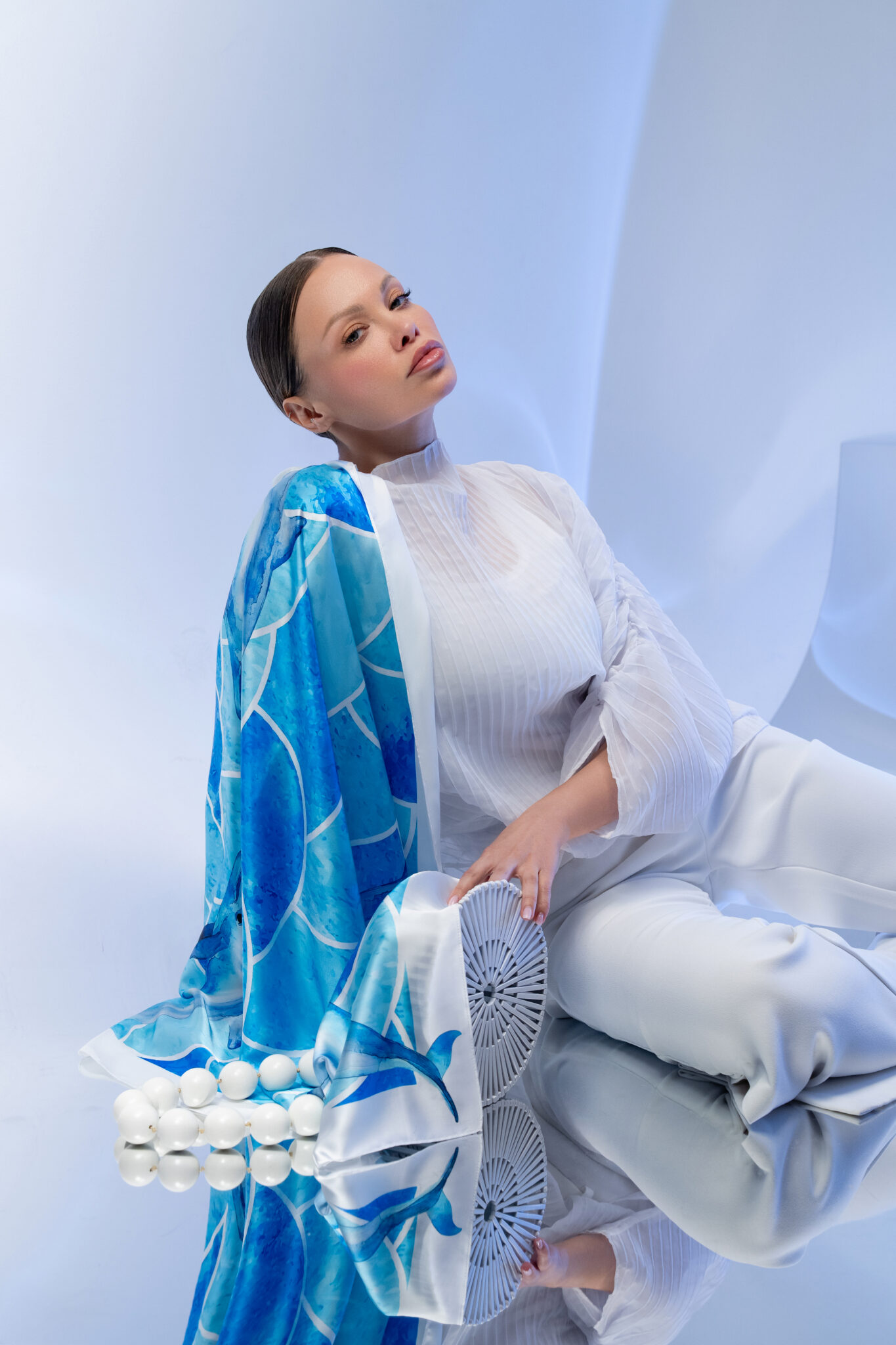
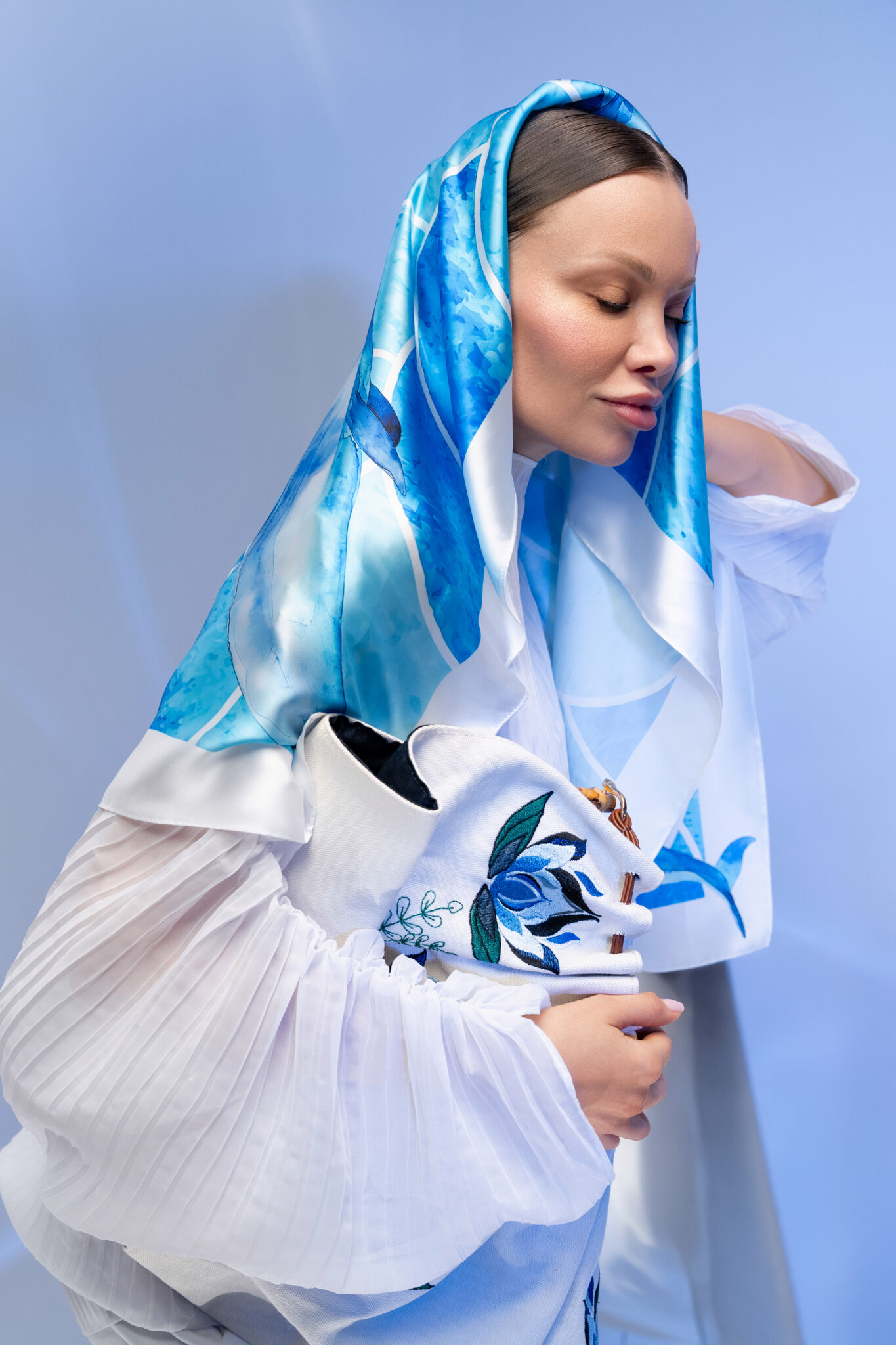
Have you been dreaming of swimming with a dolphin or riding it? Take the chance to make that wish come true and keep the memory of this bespoke experience with the special souvenir – the Meeting Dolphins designer scarf by Lamis.
By Bakhmullaeva Luiza @louisa.bakh
| SKU: | 0030 |
| Category: | Scarves |
| Share on: |
| Dimensions | N/A |
|---|


This artwork is inspired by the Arabic Alphabet. It is written from right to left in a cursive style and includes 28 letters. Most letters have contextual letterforms. In this artwork the letters are in hijāʾī order the one that is commonly used.
By Hend Almurid @hendsight
Hend Almurid is a self-taught artist from Dubai. She found her passion in drawing in childhood. She found her inspiration in cartoons that she used to watch when she was young. Hend has created her own distinctive style, easily identified among other designs.


This scarf is a real collection of symbols associated with the Arabian world. Here there are both majestic architecture of the modern world, plant and under water motifs of the fine arts as well as a traditional concept of an Arabian woman’s beauty. Even the main color of the scarf leaves full scope for imagination: some will see sands of the Arabian desert in it, others will associate it with the traditional Arabic coffee, symbol of hospitality and generosity of all Arabians.
By Bakhmullaeva Luiza @louisa.bak


In the Middle East, the “blue eye of Fatima” is considered an ancient symbol that protects its owner from any negativity and the evil eye.
It is just impossible to return from a trip to the Middle East without this amulet. Moreover, representatives of any religion can wear it.
The designer Hadaka scarf will not just be a bright oriental accessory in any wardrobe, but will also become an original protective amulet for its owner.


The Barjeel is a high rising wind-tower above the building’s roof that is open on four sizes to direct cooler breeze into the lower rooms of the building. It represents an authentic and an essential part of the Gulf region traditional architecture.
By Salama Al Nuaimi @salartspace
Salama Al Nuaimi is an interdisciplinary artist, children’s book illustrator and a visual arts educator from the UAE. She’s working with digital media and painting to create outstanding children’s illustrations and books. Her works aim to be calming, light-hearted, and often colorful.


This artwork was inspired by Al Burqua’a. Handcrafted of delicate fabric and worn over the face, this accessory is traditionally worn by married women. It provides modesty to women.
By Hend Almurid @hendsight
Hend Almurid is a self-taught artist from Dubai. She found her passion in drawing in childhood. She found her inspiration in cartoons that she used to watch when she was young. Hend has created her own distinctive style, easily identified among other designs.


The horse is one of those animals that Arabs are really passionate about. The horse symbolizes intelligence, wisdom, nobility, light, dynamic strength, agility, speed of thought, and time run. This is a typical symbol of fertility, courage and strong power in the culture of the Persian Gulf.
By Bakhmullaeva Luiza @louisa.bakh


In this artwork the palm (Nakhel in arabic) and the camel (Aljamal) are used to express the beauty and splendor of the desert and its most important elements.
Thus, the palm tree, being an important food item for Arabs, is also considered a symbol of beauty. While the camel, being a traditional means of transportation in the desert, is considered a symbol of endurance, ability, and power to bear hardships.
Traditional desert symbols in a new modern interpretation will for sure add a touch of the Arabian authenticity to your everyday stylish outfits.


In this scarf we see the camel which has several names among the Arabs, and one of them is Urwat al-Dar. This ship of the desert is depicted in the scarf walking on desert sands as if a true ship swaying on sea waves.
Because of its permanent presence in the desert environment and its use in transporting travelers, a camel became an integral part of the Arab tribes daily lives. For them, camels were a source of livelihood, a manifestation of wealth and authority.
